 Hydra Run
How to Run Your First 5K — Complete Beginner Guide 2026
Crossing the finish line of your first 5K is one of the most satisfying milestones in running. Whether you are starting from the couch or returning after a long break, a structured 5k training plan beginner runners can follow makes the difference between quitting in week two and crossing the line with confidence. This guide walks you through exactly how to run 5k in about eight weeks — with practical pacing, recovery, and tracking tips along the way.
Before you start: get cleared and get shoes
If you have been inactive for years or have joint issues, a quick check with your doctor is wise. Once you are cleared, invest in a pair of running shoes from a shop that fits you properly. Comfortable shoes prevent shin splints and blisters that derail beginners more than fitness ever does.
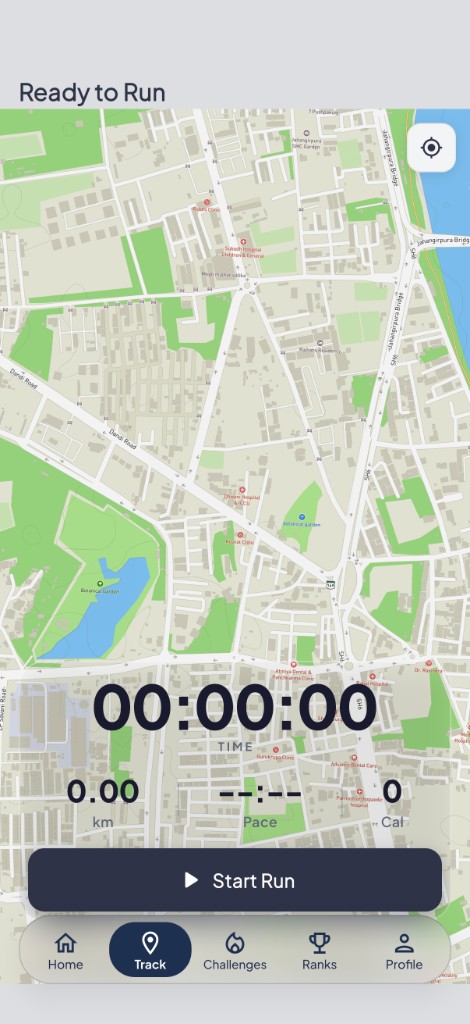
You do not need expensive gear. A moisture-wicking shirt, shorts or tights, and a phone with a GPS run tracker app like Hydra Run is enough to log every session and watch your progress build week by week.
The 8-week couch-to-5K plan
This plan uses run-walk intervals so your body adapts without overload. Run at a conversational pace — you should be able to speak in short sentences. If you cannot, slow down. Repeat any week if life gets busy; consistency over eight to ten weeks still gets you to the finish.
Weeks 1–2: Build the habit
Three days per week. Session: 5 min brisk walk warm-up, then alternate 60 seconds easy jog / 90 seconds walk for 20 minutes, 5 min cool-down walk. Rest or cross-train on other days. Goal: show up three times every week, no exceptions. Missing one session is fine; missing two in a row makes the habit slip.
Weeks 3–4: Longer run intervals
Session: 5 min warm-up, then 90 sec jog / 2 min walk, repeat for 24–28 minutes, cool down. By end of week 4, try 3 min jog / 90 sec walk. Log distance and how you felt in Hydra Run so you see improvement even when pace feels slow.
Weeks 5–6: Stretch the continuous run
Work toward 8–15 minutes of continuous jogging. One session per week can be slightly longer; the other two stay moderate. Add gentle stretching after runs. If your shins or knees complain, repeat a week — there is no prize for rushing.
Weeks 7–8: Race ready
Week 7: two runs of 20–25 minutes jogging with walk breaks only if needed; one run of 28–30 minutes. Week 8: two easy 25 min runs early in the week, then a 5K attempt on the weekend. Celebrate regardless of time; you are now a 5K finisher.
Essential tips for beginners
- Start slow. Your first miles should feel almost too easy. Ego is the enemy.
- Rest is training. Muscles adapt on rest days; skipping them causes injury.
- Hydrate and fuel. Water before and after; a light snack 1–2 hours before if you run hungry.
- Run outdoors when possible. GPS is more reliable under open sky for accurate maps in Hydra Run.
- Find a buddy or club. Accountability beats motivation on rainy mornings.
How to track your first 5K training
Tracking turns vague effort into visible progress. Each run, note distance, pace, and how you felt. Hydra Run gives you GPS routes, weekly totals, and step counts between runs so you see the full picture. Join a beginner-friendly challenge in the app for extra motivation as race day approaches.
Do not obsess over pace in the first month. Watch total minutes running and consistency. The numbers will improve when your body is ready.
Race day checklist
- Sleep well the two nights before (one bad night is okay).
- Eat a familiar breakfast 2–3 hours before.
- Arrive early, warm up with 5–10 minutes of walking.
- Start slower than you think — adrenaline fades; discipline wins.
- Finish with a smile and log the run — you earned it.
Download Hydra Run — free forever
GPS tracking, leaderboards, running clubs, and challenges. No subscription required.